9% of Google's AI Overviews are inaccurate
HUMAN LIFE
4/7/2026
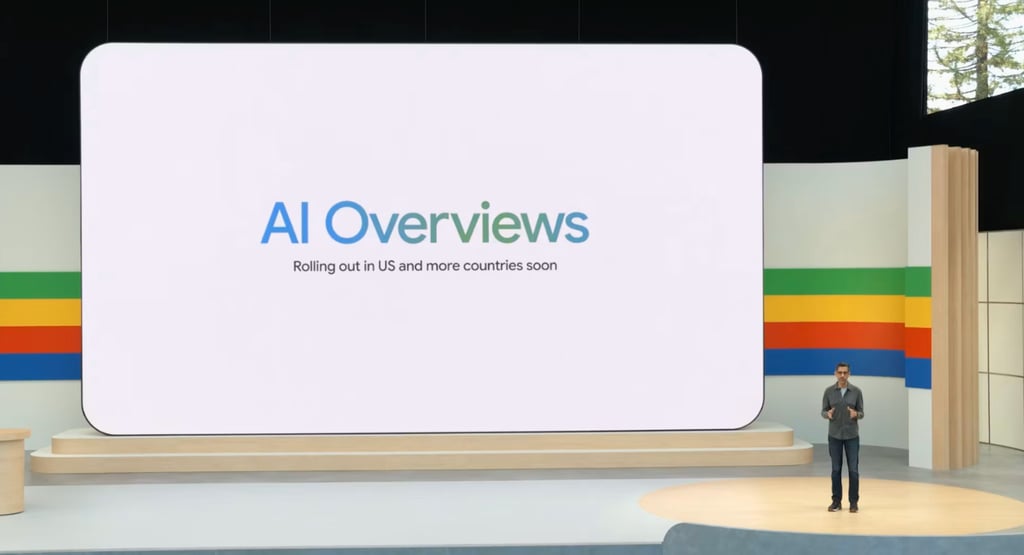
The technology is wrong hundreds of thousands of times per minute, but that's not the most alarming finding. The most alarming finding is that 92% of users never check. Researchers have a name for it: cognitive surrender: the moment you stop verifying and simply accept what the machine tells you. That's the Human Edge risk in its most visible form. AI doesn't have to be malicious to erode your judgment. It just has to be convenient enough that you stop exercising it.
When AI answers come pre-packaged at the top of every search, such as authoritative in tone, fast, and confident even when wrong, the habit of independent verification quietly disappears. And habits, once lost at scale, are very hard to rebuild.
The Competitive Advantage:
The answer isn't to stop using Google. It's to stay cognitively in command while you do.
Treat AI Overviews as a starting point, never an endpoint. If the answer matters, either professionally, medically, legally, or factually, click through. One source check is the difference between being informed and being misled.
Notice when you've stopped verifying. That's the exact moment cognitive surrender begins. The habit of checking is a muscle. Use it or lose it.
Ungrounded citations are the hidden danger. With 56% of AI Overview citations not actually supporting the claims they're attached to, confident sourcing is no longer a reliable signal of accuracy. Your judgment has to fill that gap.
Independent judgment is now a competitive advantage. In a world where most people are accepting AI output at face value, the person who verifies, cross-references, and thinks critically stands out and stays irreplaceable.
The researchers called it cognitive surrender. The Human Edge calls it the risk nobody's building a strategy around... yet.
Get The Edge Weekly
Tips to Keep Your Human Edge & Use AI Wisely.
Website © 2026 Human Edge Research. All rights reserved